
Your Microsoft 365 tenant can leak data silently - no malware, no alerts. Learn how simple misconfigurations enable ongoing email and data exfiltration.

I have helped dozens of organizations secure their Microsoft 365 tenants.
And yet, one uncomfortable truth keeps showing up.
Executive impersonation attacks are still working. Even in tenants where Microsoft Defender is already enabled.
This is not a tooling problem. This is a configuration, licensing, and zero‑trust execution problem.
And the financial impact is very real.
Let’s ground this in facts, not fear.
Google and Facebook – Over $120M Lost
Finance teams received what looked like normal vendor invoices. The sender identity, domain, and language matched expectations.
Over time, more than $100M was wired out.
There was no malware. No exploited vulnerability. No breached servers.
Just trust abused at scale.
FACC AG – About €50M Lost
A single impersonated CEO email triggered fraudulent wire transfers tied to a “confidential acquisition.”
The request appeared legitimate. It referenced sensitive business context. It carried the authority of the CEO.
By the time the fraud was detected, tens of millions were gone. The incident ultimately resulted in the dismissal of senior leadership.
What they lacked was identity‑aware enforcement and least‑privilege trust.
The FBI continues to report business email compromise as one of the highest‑loss cybercrime categories globally, with annual losses consistently measured in the billions. Executive impersonation remains the most successful variant because it exploits authority, urgency, and implicit trust.
Here is what I see repeatedly during Microsoft 365 security assessments:
Impersonation emails often pass email authentication by design. That is exactly what makes them dangerous.
This is what aligning Defender with zero‑trust principles actually requires.
This capability exists only in Microsoft Defender for Office 365 - not in basic Exchange protection.
This requires Defender for Office 365 Plan 2 or Microsoft 365 E5.
Without automation, response speed depends on human availability - and attackers know it.
Executives should not receive broader email trust just because they are executives.
Zero trust means authority does not equal exemption.
Let’s be very clear:
This is not an upsell. It is a design constraint.
Most executives believe impersonation attacks are an employee awareness problem.
They are not.
They are a trust boundary failure.
If your tenant allows an email that “looks right” to bypass enforcement simply because it references an executive, then zero trust is already broken.
And attackers know it.
If you want to know whether your Defender configuration would have stopped a real‑world CEO impersonation attack, the answer is usually uncomfortable.
I’m happy to help organizations validate that assumption before someone else does it for them.
Monthly updates, news & events from Microsoft to help your business grow.

CEO at Penthara Technologies


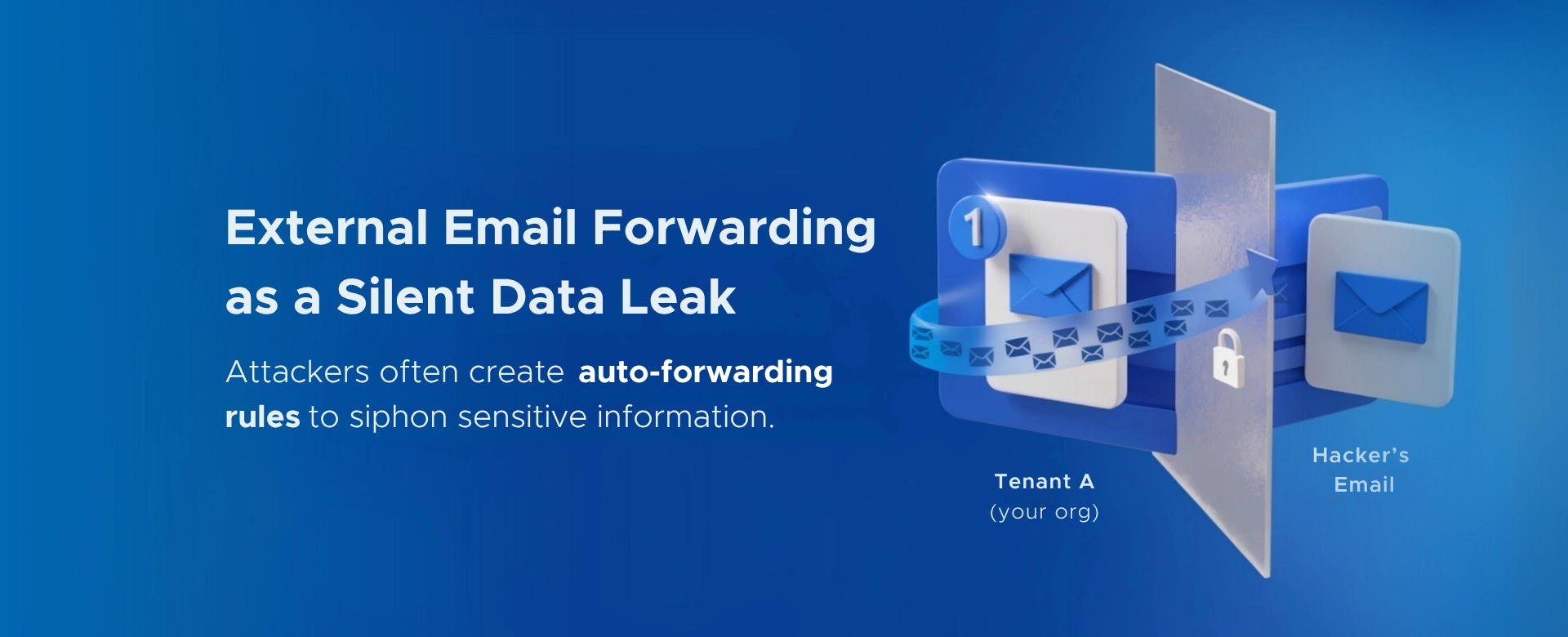 Your Microsoft 365 Tenant Has a Silent Data Leak. It Requires No Malware.
Your Microsoft 365 tenant can leak data silently - no malware, no alerts. Learn how simple misconfigurations enable ongoing email and data exfiltration.
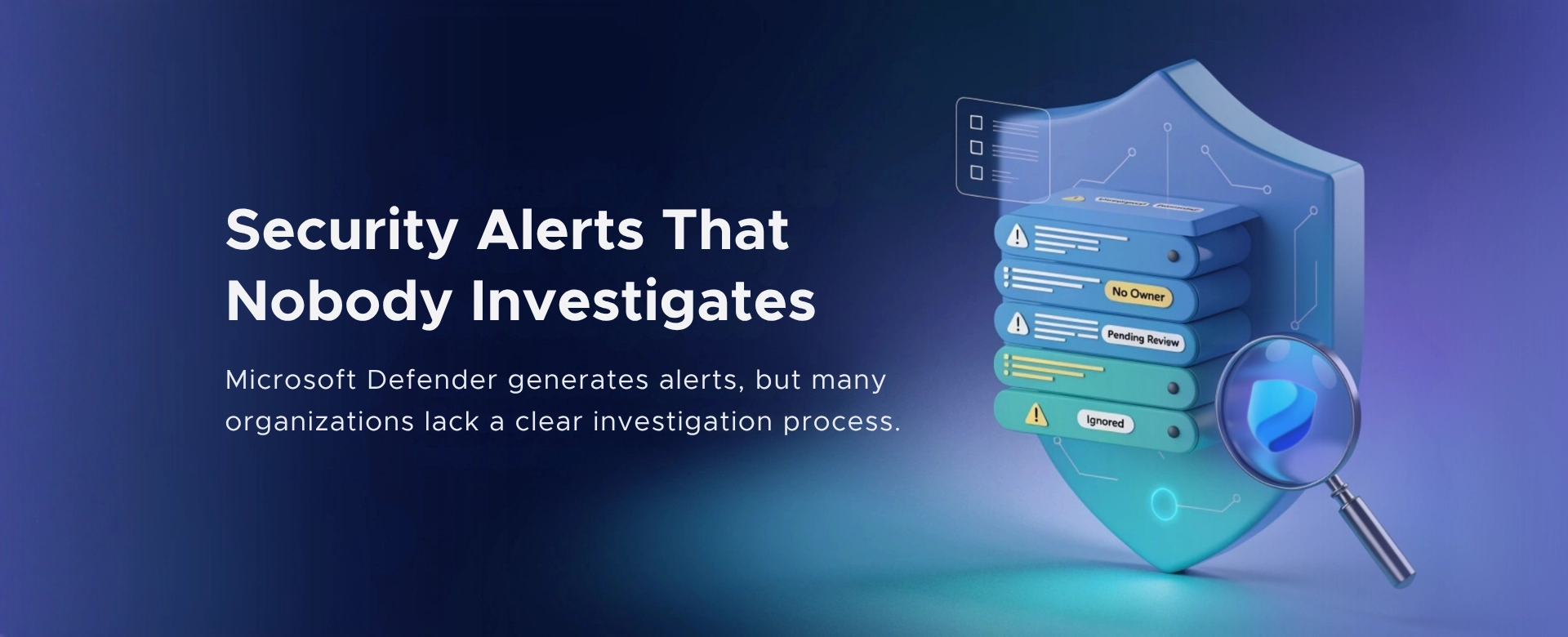 Security Alerts That Nobody Investigates - And Why That’s More Dangerous Than Having None
Security alerts mean nothing if no one investigates them. Ignored alerts create false confidence - and give attackers the time they need to cause real damage.
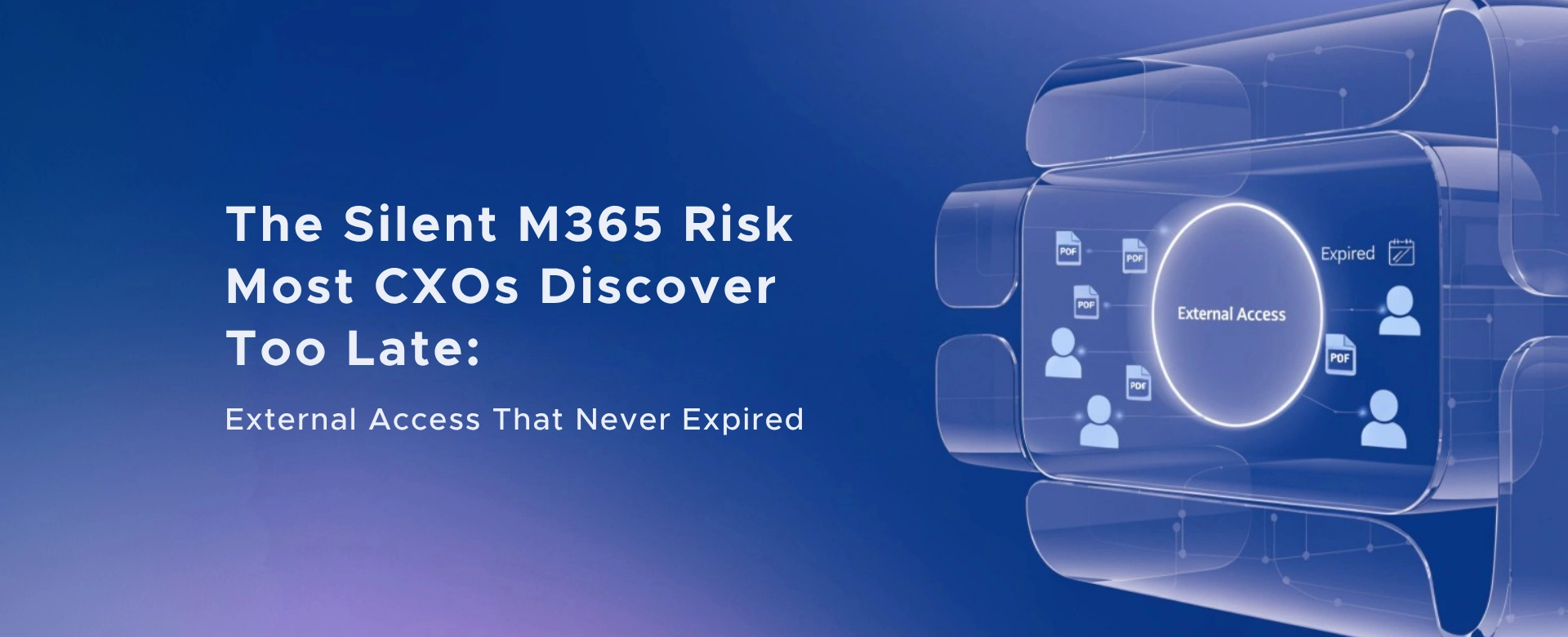 The Silent M365 Risk Most CXOs Discover Too Late: External Access That Never Expired
A hidden Microsoft 365 risk many CXOs overlook - expired external access that quietly breaks Zero Trust and exposes organizations to serious security gaps.